Your message here
 
Night Forest

Welcome, explorer.

You are wandering a New Zealand forest at night. Six of its rarest creatures are hiding out there in the dark.

Follow the glow of the mushrooms, watch for eyes in the trees, and be curious.

Options
Audio
Quality
I'm stuck!
Reset
Renderer
Server
WASD or ARROWS Move around
SHIFT Boost
CTRL LEFT or B Brake
SPACE Jump
ENTER Interact
M Map
L Mute
T Post a whisper
R Respawn
NUM KEYS/NUM PAD Activate hydraulics
LEFT CLICK (DRAG) Move camera
H Honk
One finger Move the car
Two fingers Move camera / zoom
Tap (on the car) Jump
B Boost
Y Jump
X Brake
A Interact / Exit
LT L2 Accelerate
RT R2 Backward accelerate
LB / RB L1 / R1 Hydraulics
Joystick Left Turn wheels
Joystick Left (press) Honk
Joystick Right Move camera
Joystick Right (press) Zoom in/out
Select Reset
Start Pause
Achievements
/ 2h 30min 15s
Rewards
Circuit

Server currently offline. Scores can't be saved.

No score yet today

Resets in

Leave a whisper

Whispers are messages left by visitors.

- Everyone can see them
- New whispers remove old ones (max 30)
- One whisper per user
- Choose a flag
- No slur!
- Max 30 characters

Server currently offline

No result
Behind the scene

Curious how this world was made? Here's everything you need to know.

Credits

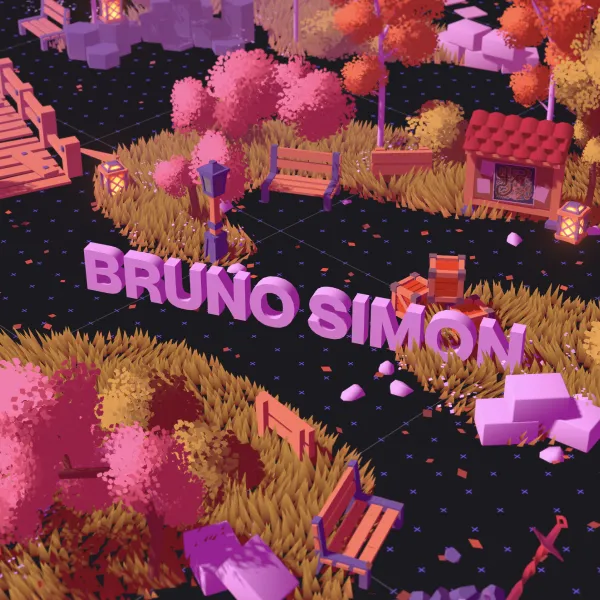
This experience is built on folio-2025 by Bruno Simon (bruno-simon.com), used under the MIT license.
The engine — game loop, physics, rendering, and world systems — is his extraordinary work. The night-forest theme, the explorer, and the endangered species content are ours.

Three.js

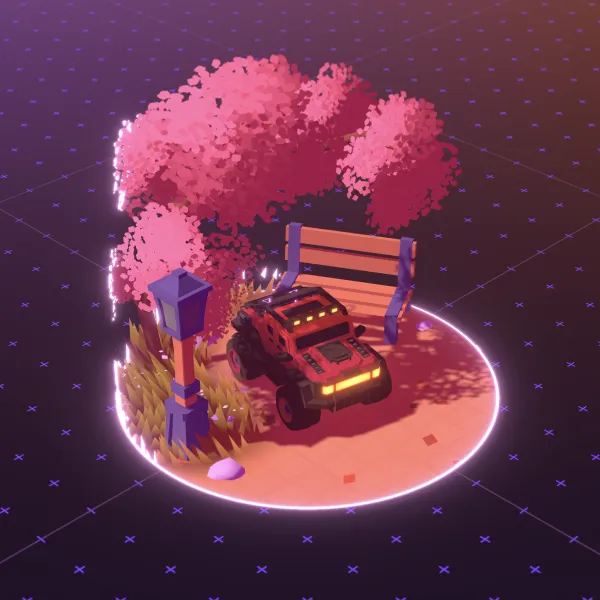
Three.js renders this 3D world, using TSL to support both WebGL and WebGPU.

The animals

The six creatures hiding in this forest are real, and really endangered: the tuatara, the takahē, the long-tailed bat, the katipō spider, the great white shark, and the Māui dolphin.
Their illustrations were drawn by our team.

Some more links

  • Physics library ⇒ Rapier
  • Audio library ⇒ Howler.js
  • Fonts ⇒ Amatic SC & Nunito
Your time
00:00:000

Server currently offline. Scores can't be saved.

Sorry, you didn't make it to the top 10.

No result
or
Discord
Public server

Come hang out with the community, show us your projects and ask us anything.

Join server
Private messages

Contact me directly.
I have to warn you, I try to answer everyone, but it might take a while.

Start chating
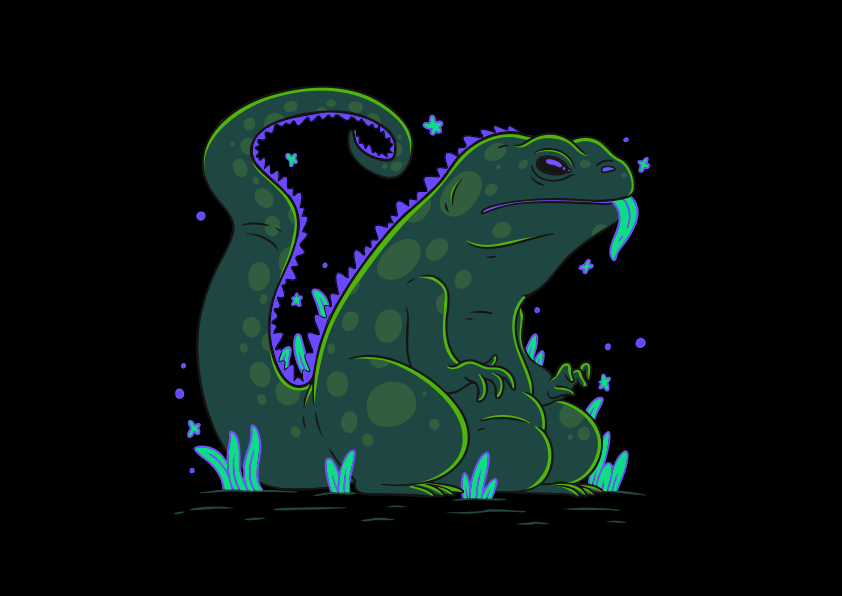
Tuatara illustration
Tuatara
At risk100,000
StatusAt Risk — Relict

Older than dinosaurs. The tuatara is native to New Zealand and found nowhere else on Earth. It has survived 200 million years — unchanged, unmatched, and almost unheard of. But today, it's not evolution that threatens it — it's us.

Why they're in trouble

Tuatara face habitat loss, climate change (which affects their temperature-dependent sex determination), and introduced predators. Conservation relies on predator-free island sanctuaries and breeding programs.

  • 🐀 Rats, cats, mustelids
  • 🏠 Habitat degradation
  • 🌡️ Climate change
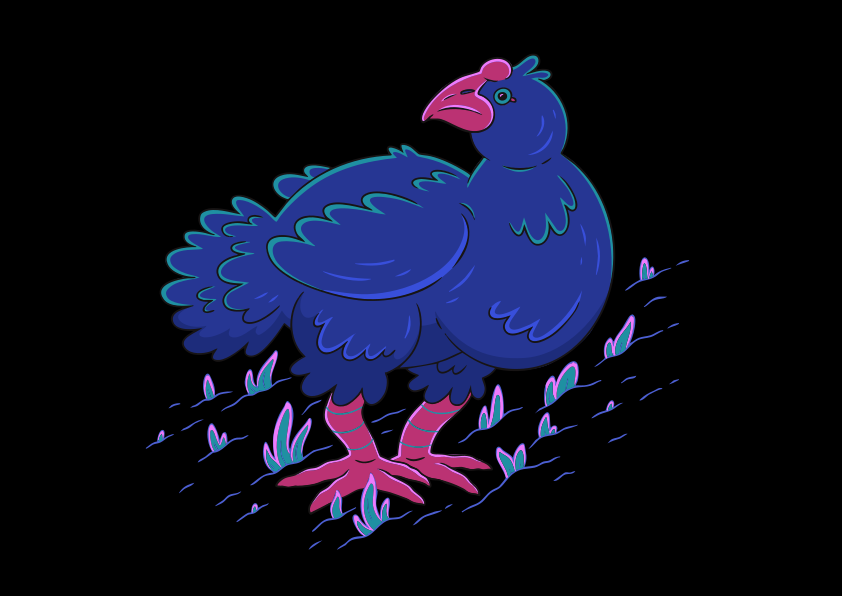
Takahē illustration
Takahē
At risk450
StatusNationally Vulnerable

The takahē is a flightless bird unique to New Zealand, once thought extinct until its rediscovery in 1948. These large, colorful rails are known for their strong legs, reduced wings, and distinctive red beak.

Why they're in trouble

Takahē face habitat loss, predation by introduced mammals (especially stoats), and limited genetic diversity. Conservation includes intensive management, predator control, and captive breeding in sanctuaries.

  • 🦫 Predation by stoats
  • 🏠 Habitat loss
  • 🧬 Limited genetic diversity
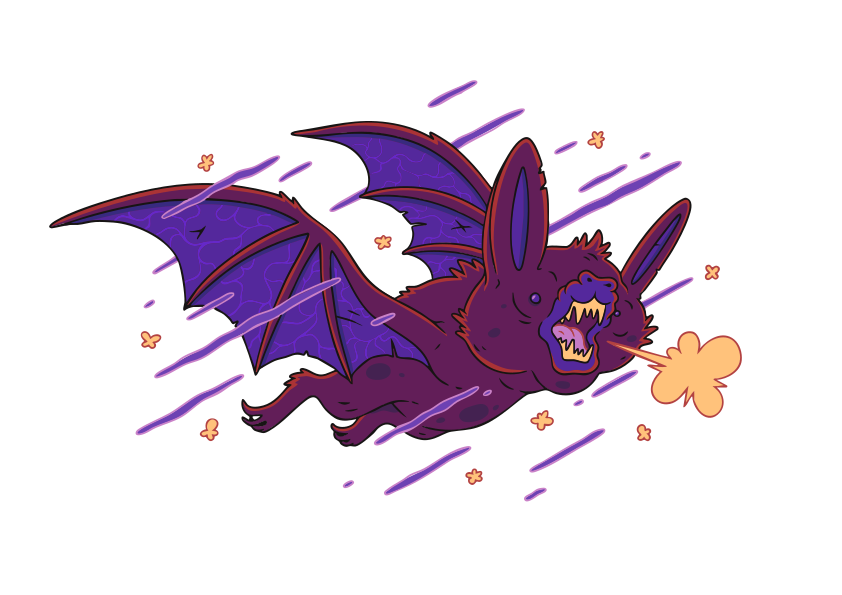
Long-tailed bat illustration
Long-tailed Bat
At riskUnknown — declining
StatusNationally Critical

New Zealand's long-tailed bat is one of only two native land mammals. These small bats are remarkable for their aerial agility and can fly at speeds over 60 km/h.

Why they're in trouble

Major threats include forest clearance, predation by introduced mammals, and human disturbance of roost sites. Protection means preserving old-growth forests, controlling predators, and protecting roosts.

  • 🌳 Forest clearance
  • 🐀 Predation by mammals
  • 👥 Human disturbance
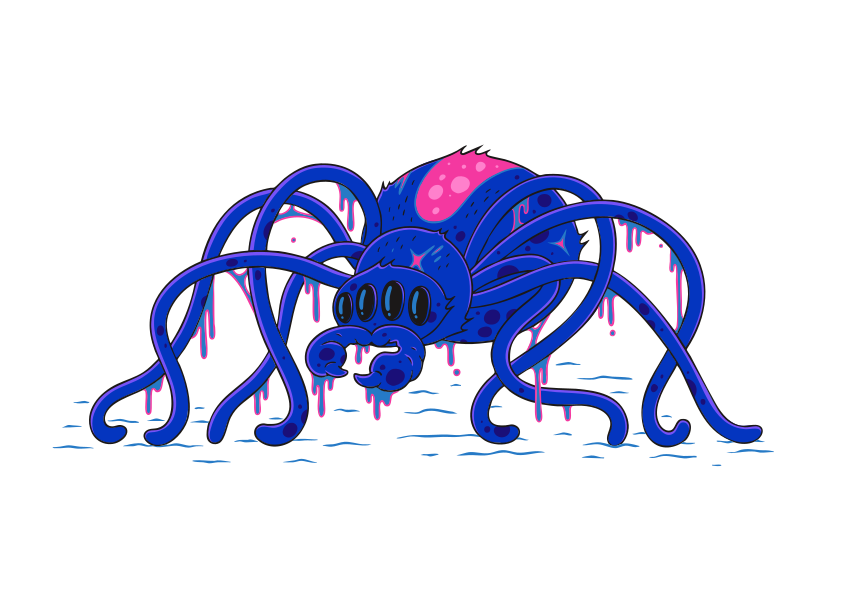
Katipō spider illustration
Katipō Spider
At riskSeverely declined
StatusNationally Endangered

The katipō is New Zealand's only native venomous spider. This small black spider with a distinctive red stripe is culturally significant and features in Māori mythology.

Why they're in trouble

Katipō populations have declined due to coastal development, competition from other spider species, and beach erosion. Conservation focuses on protecting coastal dune habitats and raising awareness.

  • 🏗️ Coastal development
  • 🕷️ Spider competition
  • 🌊 Beach erosion
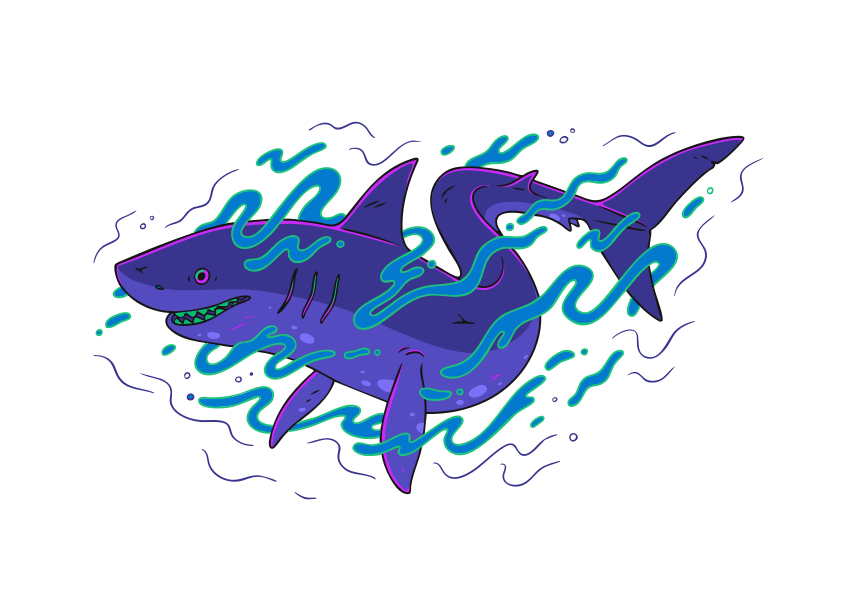
Great white shark illustration
Great White Shark
At riskUnknown
StatusNaturally Uncommon

Great white sharks are apex predators in New Zealand waters, playing a crucial role in maintaining marine ecosystem balance. They can grow up to 6 meters in length.

Why they're in trouble

Threats include accidental capture in fishing gear, habitat degradation, and historical persecution. They've been legally protected in New Zealand waters since 2007.

  • 🎣 Fishing gear capture
  • 🏠 Habitat degradation
  • ⚖️ Historical persecution
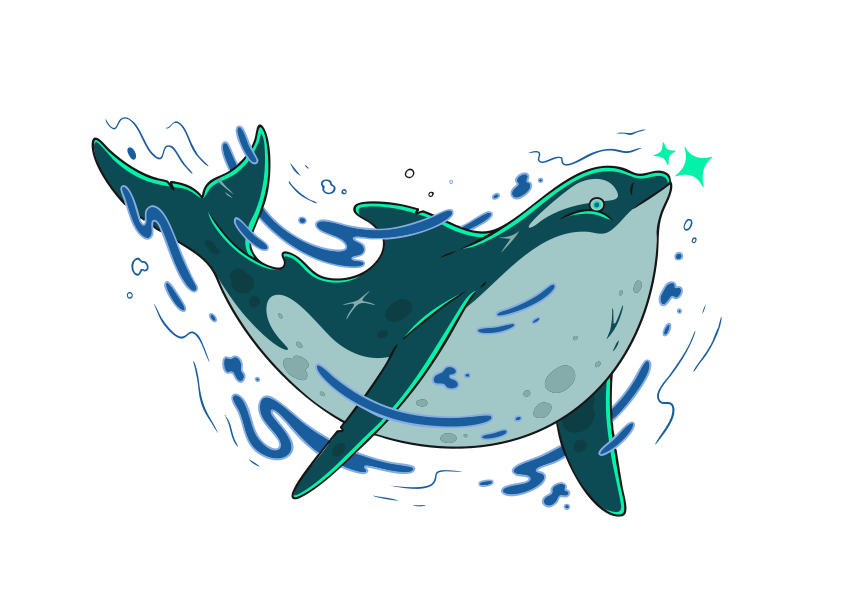
Māui dolphin illustration
Māui Dolphin
At risk54
StatusNationally Critical

The Māui dolphin is the world's rarest and smallest marine dolphin, found only off the west coast of New Zealand's North Island. They are distinguished by their rounded dorsal fin and small size.

Why they're in trouble

Critical threats include fishing-related deaths (particularly gill nets and trawl nets), disease, mining and seismic testing. Conservation includes restricted fishing areas and marine mammal sanctuaries.

  • 🎣 Fishing nets
  • 🦠 Disease
  • ⛏️ Mining & seismic testing